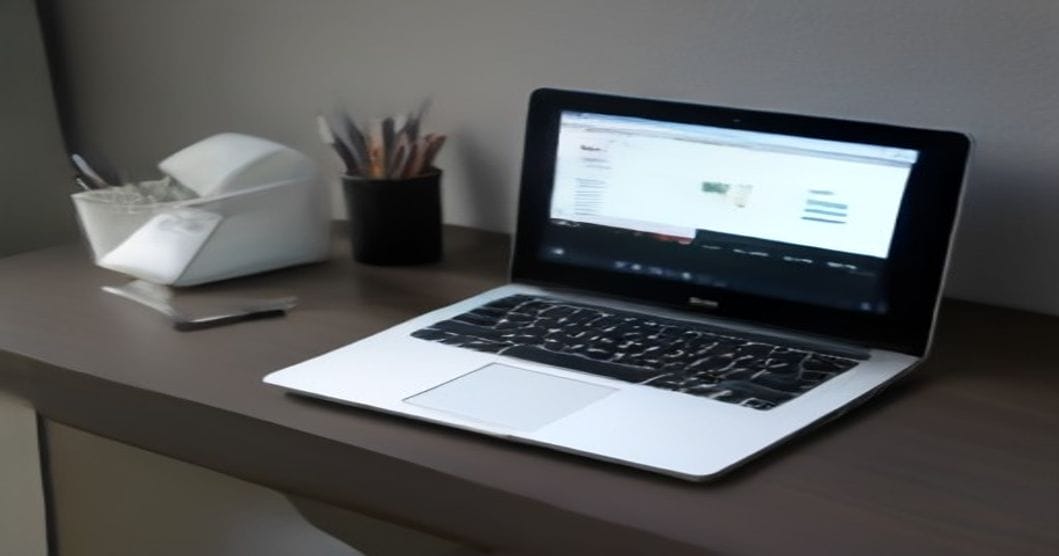
The laptop arrived on day one, which was nice. The lecture that came with it was better. “Remember,” said the IT guy, sliding the box across the table, “this is company property. We pay for it, we fix it, and if you leave, it stays here.”
What he did not mention is the part that actually matters: I could use that laptop for anything. Netflix, WhatsApp, my tax return, a weekend flight search. Nobody cared. In Germany, that is not generosity, it is the law.
This is the sixth post in our series on tax-free employee benefits in Germany. If your employer equips you for remote work, this is the post where you learn what you can keep from the deal.
The headline rule: § 3 Nr. 45 EStG
The legal basis is short and it has no cap. Section 3, Number 45 of the Income Tax Act (EStG) makes the private use of company computer and telecom equipment tax-free. That wording covers a lot more than your work laptop:
- data processing devices: laptops, desktops, tablets, smartphones, plus accessories such as monitors, docking stations, keyboards and headsets
- telecommunications devices: smartphones and any related hardware
- software the employer also uses in its own business, when it is made available for your private use too
- the services that come with all of it: setup, installation, IT support
There is no upper limit and nothing lands on your payslip. A laptop worth 2,000 EUR, a 1,200 EUR phone, a docking station on top: all tax-free, and free of social security contributions too, because what is tax-free under § 3 EStG is not counted as social security wages under SvEV § 1 Abs. 1 Nr. 1.
The catch is hiding in one word: betrieblich. The device has to be company property, provided as real work equipment. Your private use of it is tax-free, but the ownership must stay with the employer. If the company sells the laptop to you at the end of the contract, that transfer is a separate taxable benefit, valued at the market price minus whatever you paid. Sometimes that residual value is small enough to slide under the 50 EUR monthly Sachbezug limit covered below. Usually it is not, so treat “buying out your work laptop” as a taxable event, not a perk.
What is not covered: consoles, smart TVs and other toys
The tax office draws the line at equipment that can actually do your job. The classic no-gos are gaming consoles and smart TVs. They are entertainment hardware, and unless you somehow run your whole job from a PlayStation, they do not qualify as company data processing devices. Occasionally someone tries to argue that a PlayStation offered by the employer is “learning and development equipment”. The answer from payroll is a single, flat laugh.
The practical test: if it is primarily work equipment, private use is tax-free. If it is primarily a toy with a work-shaped excuse, the benefit is taxable wages. Cameras, speakers and fancy home-entertainment gear all fail the test.
The 50 EUR internet allowance
Here is the benefit that trips up the most people. Your employer can pay for your home internet tax-free, but the amount is 50 EUR per month (2026), and the mechanics are specific.
The rule is § 8 Abs. 2 Satz 11 EStG: benefits in kind, known in German as Sachbezüge, stay untaxed when their value does not exceed 50 EUR per calendar month. The word “kind” is doing the work. The employer has to provide an actual service, meaning they pay the internet provider directly or run the contract in the company’s name. What does not qualify is a 50 EUR top-up on your salary labeled “internet”. Cash counts as money, and money is taxable wages, full stop. You will find this exact misunderstanding on payslips under names like “Internetzuschuss”, sitting there quietly until tax season finds it.
Two more details matter. First, 50 EUR is a Freigrenze, not a Freibetrag. Stay under it and nothing is taxed. Go one euro over, and the whole benefit becomes taxable, not just the excess. So if the plan costs 60 EUR, do not ask for 60 EUR of coverage. Ask for a plan at or under 50, or let the employer cover a cheaper tariff. Second, the same 50 EUR pot is shared across all your Sachbezüge in that month, which is why this number keeps appearing across the benefits series: meal allowances, vouchers and the like all drain the same bucket.
Your phone and its data plan
The phone version is even simpler. A company iPhone or Android handed to you for private use is tax-free under the same § 3 Nr. 45 EStG rule, and when the employer also pays the mobile contract, the calls and data are part of the package. There is no percentage split to track and no private-use log to keep. None of it touches your payslip. This replaced the older, clunkier phone rules, and it is one of the friendliest parts of German tax law because it asks nothing of you.
What about the home office money?
Now the part people usually mix up: the tax-free equipment and internet above are employer benefits. There is a separate, employee-side rule that lives in your tax return.
For every day you work mainly from home and do not go into the office, you can claim the Homeoffice-Pauschale: 6 EUR per day, capped at 1,260 EUR per year (current law, § 4 Abs. 5 Satz 1 Nr. 6c EStG). You claim it in your annual Steuererklärung as work-related expenses, not from your employer. If your employer pays you a cash bonus “for the home office”, that is plain taxable salary; there is no exemption for it. The tax-free routes for employers are exactly the ones above: equipment, software and benefits in kind up to 50 EUR a month.
The practical shape of a good German home-office setup: a company laptop and phone, the employer’s name on the internet contract at or under 50 EUR a month, and your 1,260 EUR Pauschale sitting in the tax return at the end of the year. The company pays for the equipment and the connection; you claim the daily allowance yourself. Nobody double-dips, because the Pauschale and the employer benefits do not overlap.
Two boundaries worth knowing while you are at it. First, do not claim the company laptop as a deduction in your tax return. You can only deduct expenses you actually paid, and the equipment belonged to your employer, so it belongs in their books, not yours. Second, none of this helps if you freelance or work as a contractor. These rules require an employment relationship, so a freelancer buys their own gear and takes different deductions, which deserve their own guide.
How to ask for it
None of this appears in the standard offer letter, so you ask:
- Mention § 3 Nr. 45 EStG by name. HR teams at midsize German companies hear this maybe once a year. Sending them the link to the statute makes you look diligent instead of greedy.
- Ask for the internet to be paid by the company, not reimbursed. The moment they say “we will add 50 EUR to your salary”, the tax-free status dies. Push for the provider to be billed directly.
- Keep the plan under the cap. A 45 EUR fibre tariff in a corporate contract is tax-free. A 55 EUR one turns the entire benefit taxable. Do the math before you sign.
- Ask about accessories. A second monitor and a headset for the home desk are Zubehör under the same rule, so they are covered if the company is willing.
- At contract end, negotiate the buy-out instead of assuming it. Many companies sell decommissioned laptops cheaply anyway. Just know the discounted price and the market value, because the difference is what the tax office sees.
A last word for negotiators: this is cheap for the employer and valuable for you. Most companies already have a laptop line in their budget, so the marginal cost of letting you keep using it privately is zero. The internet costs them under 600 EUR a year. That is a smaller number than almost any raise, and it reaches you without a single euro of tax. Ask for the hardware first, then negotiate salary. You will keep more of both.
This post was reviewed on 18 August 2026. German tax law changes regularly; limits mentioned here apply to 2026. This content is general information, not tax or legal advice. Verify the details with your HR department, payroll provider, or a German tax advisor (Steuerberater) before acting.
Sources
– § 3 Nr. 45 EStG (private use of company computer/telecom equipment): gesetze-im-internet.de/estg/__3.html
– § 8 Abs. 2 Satz 11 EStG (50 EUR Sachbezug limit): gesetze-im-internet.de/estg/__8.html
– § 4 Abs. 5 Satz 1 Nr. 6c EStG (Homeoffice-Pauschale, 6 EUR/day, max 1,260 EUR/year): gesetze-im-internet.de/estg/__4.html
– SvEV § 1 Abs. 1 Nr. 1 (tax-free on-top payments excluded from social security wages): gesetze-im-internet.de/svev/__1.html
– Bundesfinanzministerium, guidance on working from home (Homeoffice-FAQ), including the device categories under § 3 Nr. 45 EStG: bundesfinanzministerium.de